While death is a part of life, losing someone you love is one of the hardest experiences we endure. Some people find comfort in religion. Others lean on friends and family. Some grieve for weeks, others for years. There is no deadline for grief, and no single “right” way to experience it.
Grief can be devastating. It can leave you feeling lost and broken. But sometimes it also does something unexpected—it strips away the distractions and forces you to look honestly at your life.
That is what happened to me.
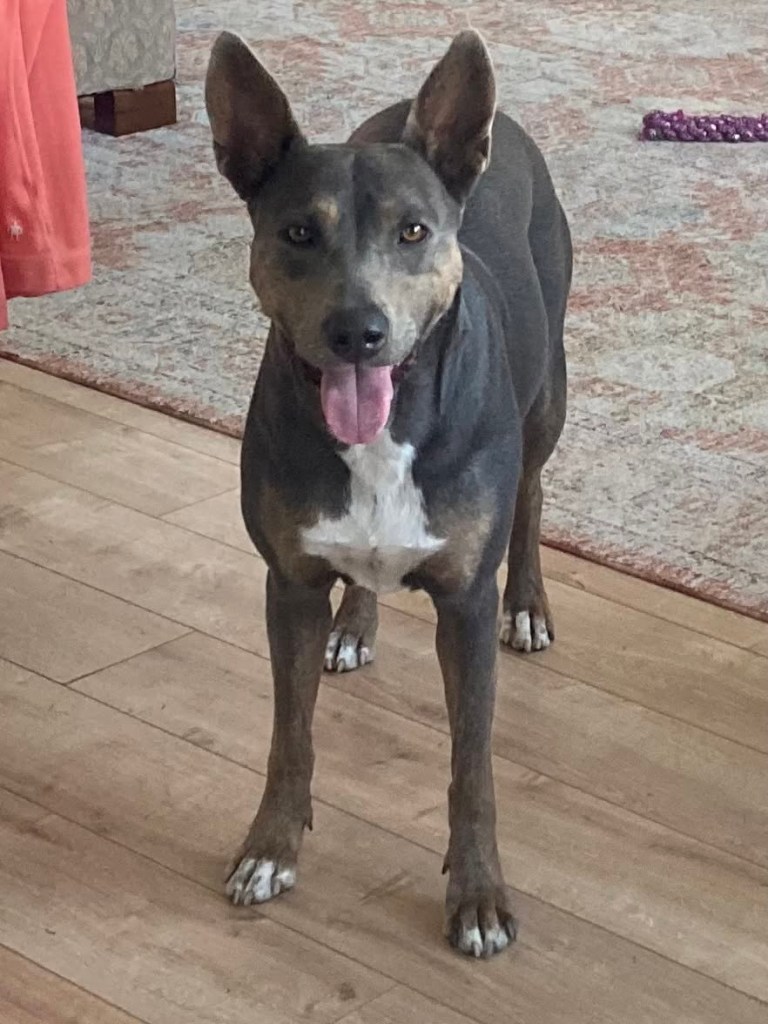
When my dog, Dakota, passed away, I wasn’t just grieving her. The grief amplified everything else I had been carrying since arriving in South Korea.
I had been struggling with a difficult relationship with my co-teacher, inconsistent management, loneliness, the challenge of finding an LGBTQ community, and a life outside of work that never really felt like my own. I wasn’t connecting with the food, I was frequently sick, and I found myself thinking more and more about what life might look like somewhere else—especially in Europe.
Individually, none of those problems seemed large enough to justify leaving. Together, they quietly became the background noise of my daily life.
The first two months here were some of the longest months I can remember. Somehow time stretched. A single week felt like a month. Every weekday demanded enormous emotional energy, and most weekends were spent recovering—sleeping, resting, or trying to get healthy enough to make it through another week.
Then, during the week Dakota died, something incredibly small happened at school.
My co-teacher stepped in and took over part of one of my lessons.
To anyone watching, it probably looked insignificant. It wasn’t an argument. It wasn’t even unusual.
But in that moment, something clicked.
I realized that I had been living in a constant state of hypervigilance. Every lesson, every activity, every transition, every decision—I was subconsciously trying to earn my co-teacher’s approval and avoid doing something “wrong.” Even though our relationship had improved considerably over the previous month, I was still carrying the stress of always feeling evaluated.
It wasn’t really about that lesson.
It was about recognizing how exhausted I had become.
That moment didn’t create my decision to leave Korea.
It simply revealed the decision I had already been making for months.
When I first decided to teach overseas, Europe was always my goal. Asia simply presented the first opportunity, and Korea was the first country to offer me a position. I accepted because I wanted the adventure and because I believed any international experience would move me closer to where I ultimately wanted to be.
And I’m glad I did.
Living here has taught me lessons I don’t think I could have learned any other way.
The biggest one is this:
Live intentionally.
It’s easy to let life happen to you—to accept whatever opportunity appears first and hope it leads somewhere better. Sometimes that’s exactly the right decision. But eventually there comes a point when you have to stop waiting for life to point you in a direction and start choosing that direction yourself.
So I made a decision.
My last day at Maple Bear will be Friday, September 4.
Instead of returning to the United States, I’ll be flying to Switzerland—a country I’ve wanted to visit for years. Between now and then, I’ll be searching for teaching opportunities throughout Europe. Maybe I’ll find the right position before I arrive. Maybe I won’t.
Either way, Europe is where I’m going.
Not because everything is guaranteed to work out, but because it’s the life I genuinely want to pursue.
Korea also gave me another unexpected gift.
After teaching students of many different ages, I finally discovered that six-year-olds are my favorite. They’re curious, energetic, hilarious, and every day with them feels a little different. That’s something I never would have known had I not come here, and I’m genuinely grateful for that discovery.
Losing Dakota is still heartbreaking.
I would trade every lesson in this post to have one more walk with her.
But grief has a strange way of revealing what matters most.
In losing Dakota, I found the clarity to stop living by default and start living intentionally.
It was painful.
It was heartbreaking.
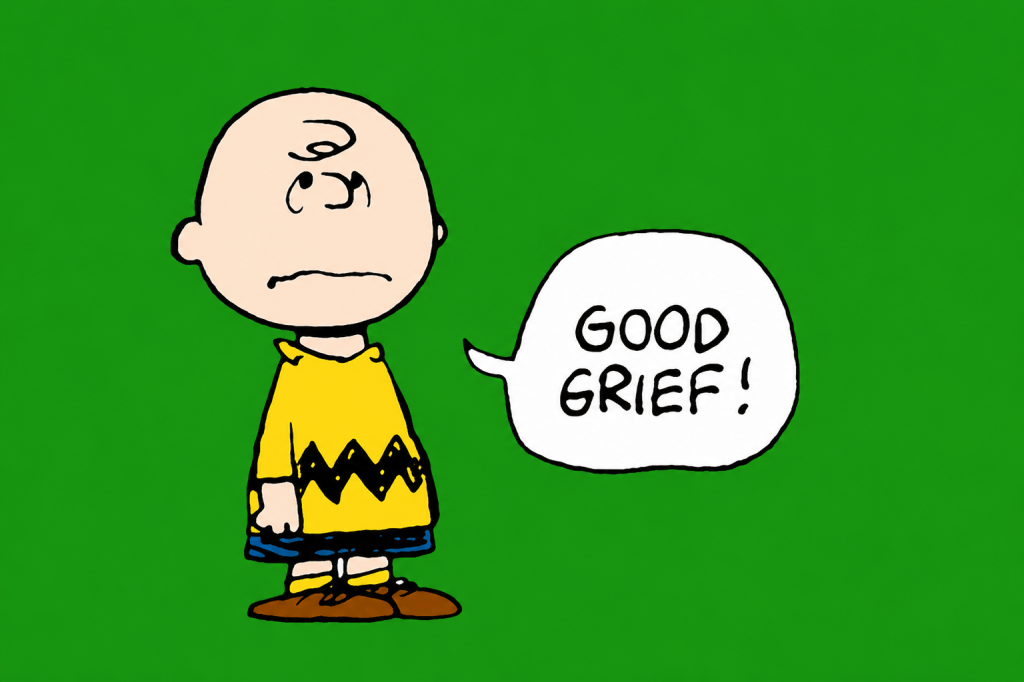
But in an unexpected way, it was good grief.
 Phillip N. Patrick